(2) The Boy I Was: The Dreams I Carried from Afghanistan into Exile.
Part two: When home disappeared.
Then came the day when everything changed. In August 2021, when the Taliban took over, my father lost his job, and the streets felt unfamiliar overnight. Families began to leave, carrying what little they could in bags. In the middle of that uncertainty, we received a resettlement case for the United States. It felt like a fragile light in a dark room, a possibility beyond the fear. One afternoon, my father walked in holding some papers. I saw his face before I saw the papers. His smile was gone. I reached for his hand, and kissed it. “We have to leave,” he said. Those words settled heavily in the room. We began packing what we could carry, knowing most of what we loved had to stay behind. Every shirt, every photograph, every corner of the house suddenly felt like goodbye. We didn’t know what waited ahead.
The room fell silent. We packed only what we could carry My brothers Shoaib, Elyas, Elham and I rolled our red and pink bicycles into a dark room. We didn’t know it would be the last time. Before leaving, I touched the walls one last time. I looked at the kitchen where my mother told stories, the almond trees in the yard, and the path leading to my school. Everything was the same, but I felt different. I could hardly bring myself to leave. I kept turning back, thinking maybe we’d return soon, but I didn’t know I was saying goodbye to my childhood.
As we stood at the border, I held tightly to the memories I’d carried, my school, my mother’s gentle voice, her stories, and the dreams I’d held for so many years. I believed they would survive the journey. I believed that if I held them tightly enough, they would cross with me, unchanged. Yet, as I stood there, my heart whispered only one thing: Don’t leave. Don’t leave your home behind.
My eyes tried to hold on to every last glimpse: the mountains, the roads, the places where I’d learned and dreamed. Every part of me wanted to stay. My feet felt heavy, as if the earth itself didn’t want me to leave. My father took my hand, and together we took our first steps toward the border. I turned back one last time. I didn’t know it then, but I was looking at my childhood for the last time.
As we crossed, I kept whispering those words to myself. “This is only temporary. I’ll go back to school. My mother will tell her stories again. We’ll go home.” I believed every word. I didn’t yet understand that I wasn’t just crossing a border. I was crossing into a completely different life.
As we crossed into Pakistan, I clutched my father’s hand a little tighter. I didn’t understand why this was happening. It all felt so unreal. My feet kept moving, but my heart was still standing on the other side, among the almond trees, my school, and my home.
When we reached the room my father had rented, he opened the door. My heart pounded. The room was cramped, dim, and unfamiliar. There was no yard, no almond trees, no cool mosaic beneath my feet. Only four bare walls. In that moment, I didn’t know how to understand what we had lost. I only knew that everything familiar was suddenly gone.
Still, I whispered to myself, as if the words could protect me. “This is only temporary. I’ll go back to school. My mother will tell her stories again. We’ll go home.” I held on to those words with everything I had, even though hope was the only thing I had left.
Days slipped into weeks, then weeks into months. The hope I had carried across the border grew quieter each day. Every morning, I woke wishing to hear my mother’s soft voice. “Wake up, it’s time for school.” But every morning began with the same silence.
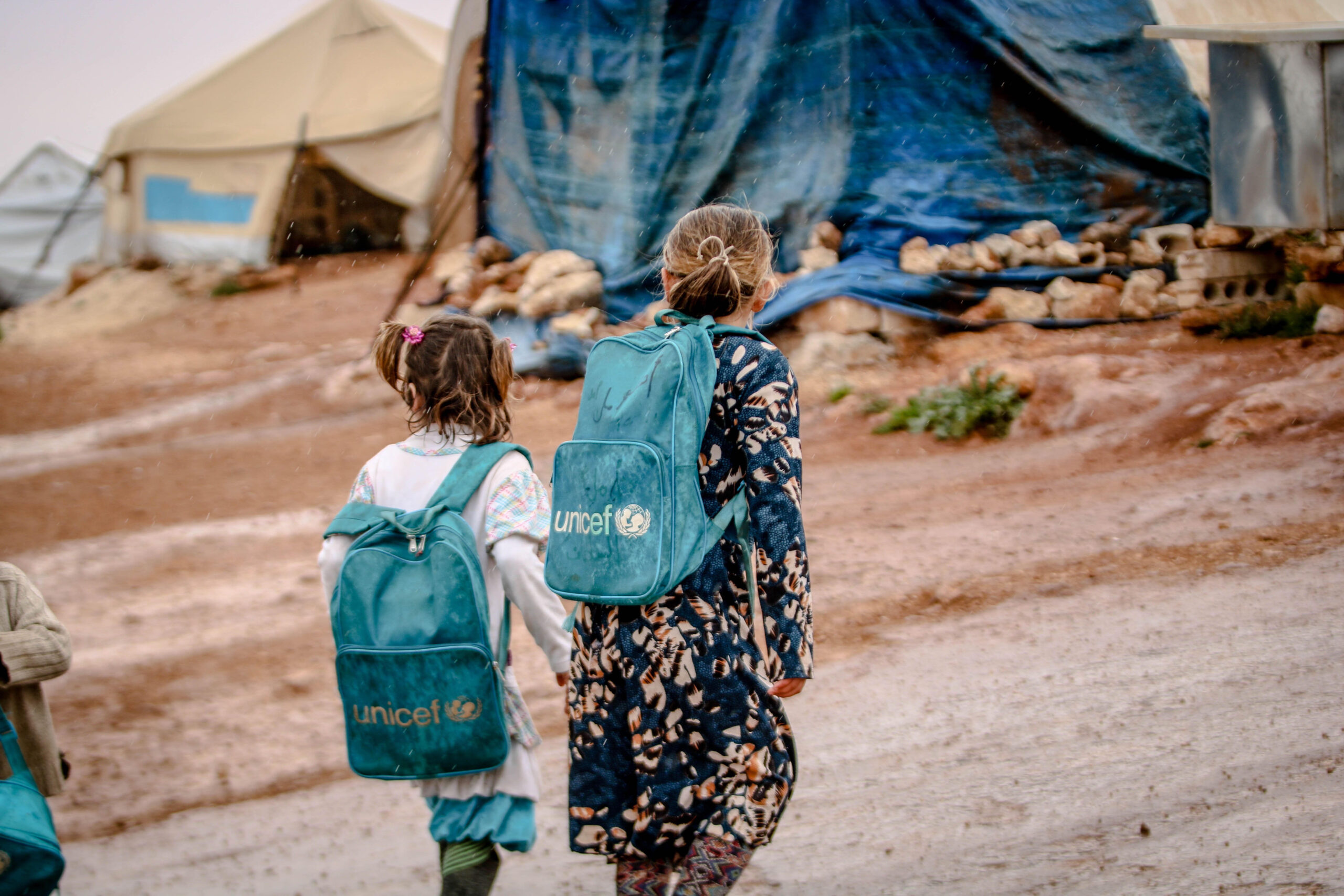
In the corner of our small room stood a worn yellow cupboard. Inside rested my blue school bag, exactly as I’d packed it before we fled Afghanistan. My notebooks were still stacked neatly inside. Beneath them lay the polished black shoes my father had bought for me in Kote-Sangi. I couldn’t bring myself to move them.
At first, I believed I’d carry that bag again in a few days. Then one week passed, then another, and another. Dust settled on the straps while my dreams waited quietly beside it. My younger brothers still talked about school before they fell asleep, wondering when we’d sit in a classroom again, when we’d open our books. None of us knew the answer.
One afternoon, I went with my father to a small pharmacy because I wasn’t feeling well. The pharmacist, with a prescription in his hand, looked at me and asked, “Can you speak English?”
I turned toward my father. His face looked tired after another long day of searching for work. I wanted to answer. I wanted to. But I slowly shook my head and lowered my eyes.
As we walked home, I couldn’t stop thinking about that moment. Before we fled, I had dreamed of learning English. Now, even the simplest conversation felt beyond my reach. It wasn’t just that I’d lost my school. I felt as if I was beginning to lose the future I’d imagined for myself.
Yet every evening, despite his exhaustion, my father gathered us together. He reminded us that education was something no one could take from our hearts.
“Don’t give up. One day, another door will open,” he said.
I held on to those words with everything I had.
That night, I lay on the cold floor beneath my thin blanket, a bundle of folded clothes serving as my pillow. Sleep wouldn’t come. My father’s words circled in my mind, blending with memories of my blue school bag in the yellow cupboard and my mother’s voice waking me for school.
I closed my eyes and drifted into the dream, hearing English voices around me again. For a moment, I imagined myself walking toward a classroom, my bag on my shoulder, believing the future was still waiting for me.
Then a soft vibration broke the silence.


About Author/s