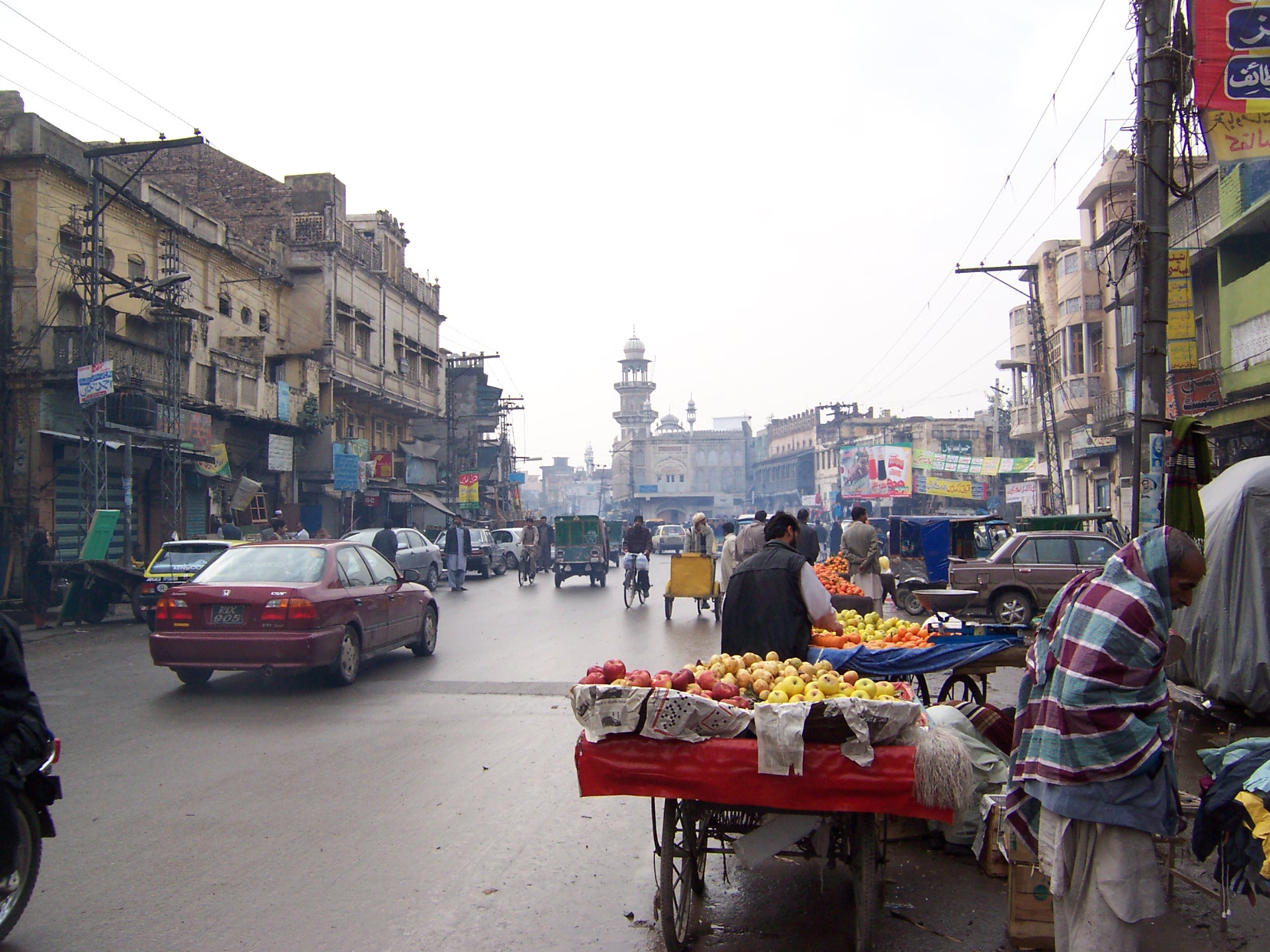
Hope in Exile: Afghan Refugee Children Struggle for Education in Pakistan
In August 2021, my family had to leave our Kabul home, and all that was familiar to us, when Taliban came back to power. At this time, I was a student at high school, and I wanted to follow my dream of becoming a doctor, because I thought that education would protect me within a world of confusion. However, the process of going across the border into Pakistan froze my belief. I couldn’t find any classes, any teachers, any assurance of my future, only a raw situation of displacement and uncertainty.
I learnt that exile doesn’t talk, but the dreams of Afghan children go away. The noise of factories in Pakistan supplants the rings of school bells in the refugee settlements in Pakistan.
Empty notebooks are sitting around waiting to be used in used in what is becoming a more distant future. To thousands of Afghan children, education is now a luxury, something they may wish to have but will not have.
This is the case for thousands of Afghan refugee children in Pakistan UNHCR and UNICEF indicate that among the Afghan refugee children in Pakistan, the school enrolment rate is only 28%. The rest are pushed out the fear of being deported at any moment. The education of Afghan refugee children in Pakistan is crumbing under stress.
To my mother, my education failure was a heartbreak. She was living in a rented room, trying to make ends meet and carrying her fears She once told me that her greatest fear wasn’t hunger, it was that I have lost opportunity to study, and that my life is going to be small. This is the sadness of a parent who realizes that due to factors they can’t control their child could fail in their potential.
However, in the Pakistani city of Rawalpindi, a change occurred. My mother was called to participate in an event organized by Drarkhte-Daneish, a support group for female Afghan refugees. These women narrated about fear, exile and hope and were asked to write their greatest fear on a balloon and then to pop it, which was a symbolic gesture of letting go of the fear. When the balloon came to my mother, she wrote: “My children’s future” As she burst the balloon her hands shook and it seemed the burden of exile was slightly taken off her for, the first time in months. A blue-shirted woman came out and tenderly told her not to be worried. She said: Here your children will be accepted. We will teach them English. We are going to assist them to further their studies.
Something kindled by words. Hope was real; for the first time since we had fled Afghanistan. My brother and I ran outside and laughed. Our exile was lightened a little. Painful, yes, but survivable.
The truth is cruel to Afghan refugee families. Murtaza Ahmadi is an Afghan educator in Pakistan who estimates that close to 60 percent of the refugee children do not go to school not because they are not interested but because survival comes first. Human Rights Watch cautions that the deportation policies in Pakistan increase the vulnerability of the population as many children end up being unable attend schools. Even worse, girls have additional difficulties because they are often restricted to their homes due to safety issues. However, there is still hope and the volunteers from The Tree of knowledge are educating children in small rooms, under tin roofs and in courtyards.
I think that education in exile isn’t merely a learning process but a process of resistance as well. It shows that there should be no borders or political indifference in the definition of a life. “One child, one teacher, one book, and one pen” can transform the world as once Malala Yousafzai said. That pen of Afghan refugees is usually broken, but the hand, which is holding it, is steady.
Behind any statistic there is a true story… stories such as mine. A boy who lost his classroom, a mother who cried without making a noise, a family that is finding it difficult to survive. Such tales seldom feature in the headlines, but we need to highlight these stories.
Education shouldn’t be a privilege, but a lifeline. The crisis won’t be complete until all afghani refugees’ children in Pakistan are able to open a book without fear. When the world is preoccupied with the borders and policies, Afghan refugees are waiting, not to be given charity but to be given a chance… not to be offered sympathy but to be granted justice. During exile there is still some flickering hope. And even then, all that it needs to sustain itself is one voice saying:” Don’t worry. You still have a future to go to.”


About Author/s